Inside the East Gardens of Tokyo’s Imperial Palace
A walk through Edo Castle ruins, seasonal gardens, and one of the most historic places in Japan

With a massive moat, towering stone walls, and police officers stationed at every turn, the grounds of the Imperial Palace can be intimidating at first glance. However, not only is much of the area surrounding the Imperial Palace available for you to explore, but you can do so for free and without a reservation.
Built on the former grounds of Edo Castle, visitors can walk through historic gates, enjoy seasonal gardens, and marvel at the Tenshu-dai, the foundation of what was once Japan’s tallest castle tower. Read on to find out how you can experience this national treasure in the heart of Tokyo.
A Brief History of the East Gardens
To explore the castle grounds that house the East Gardens is to travel back to the late 16th century, when the Tokugawa shogunate was in the midst of launching its 260-year rule over a united Japan — what history would reveal to be Japan’s final feudal government.
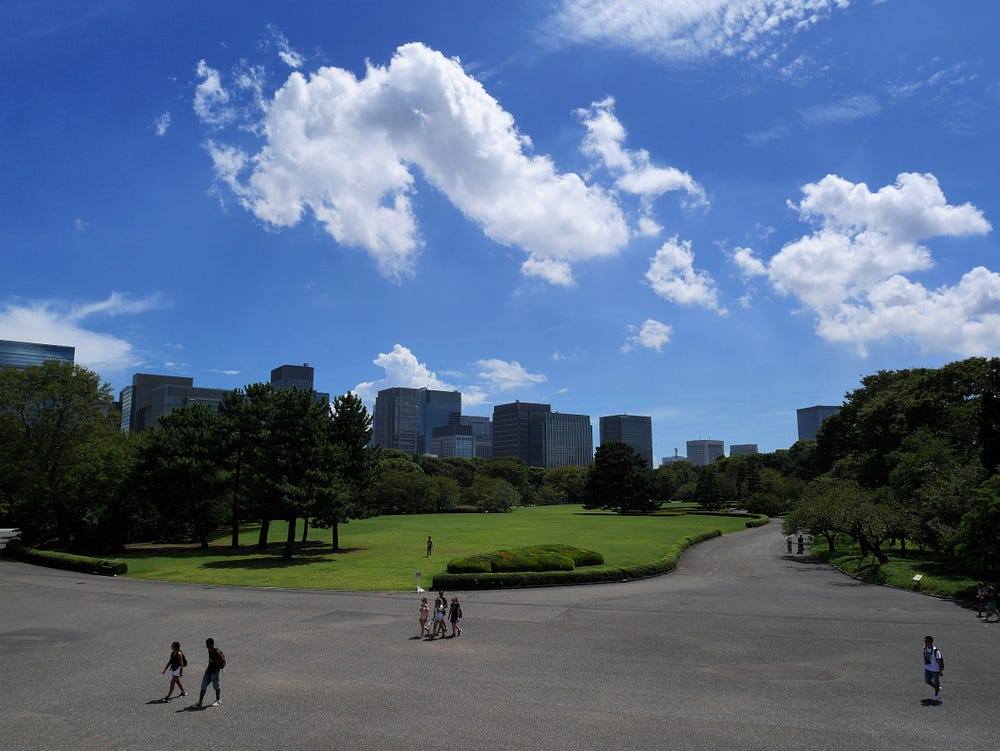
Although Edo Castle dates back centuries, the gardens are a relatively modern creation, with construction beginning in 1961 next to the Imperial Residence (which was built in 1888). Covering an expansive 210,000 square meters, the East Gardens were completed and opened to the public in 1968.¹
Making Your Way Through the Gardens
Upon entering the East Gardens via one of three public gates, expect a brief and courteous bag check. After that, you’ll be handed an entry pass (again, completely free) which you’ll need to return upon exiting the gardens — a method for making sure no one lingers on the premises after hours.
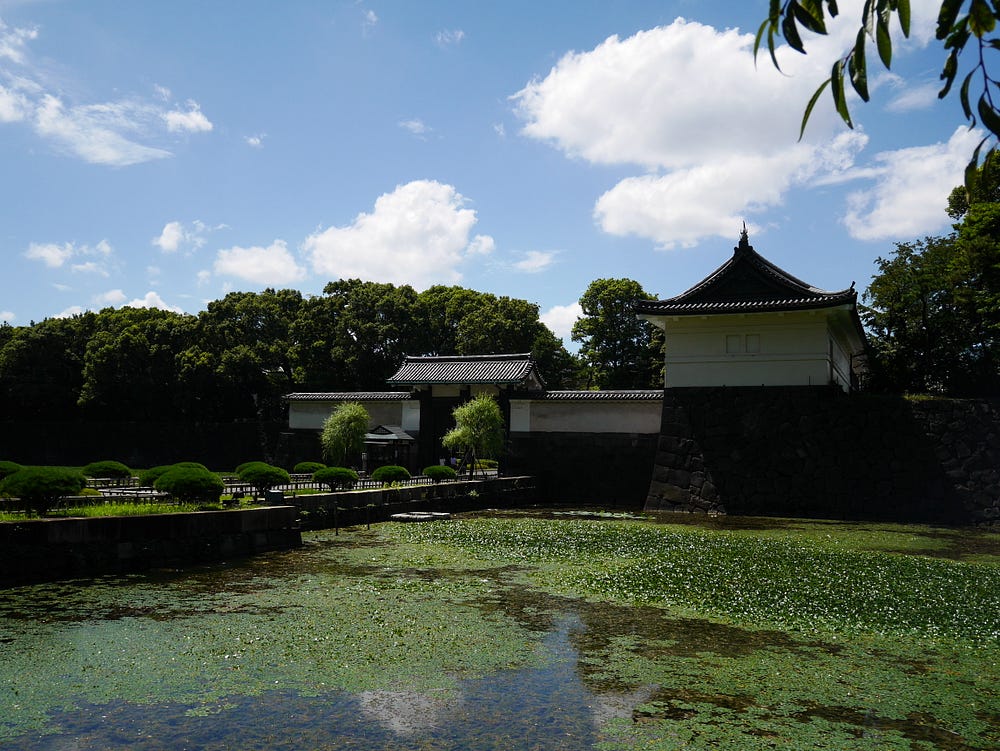
After that, you are free to explore the expansive green space at your leisure. English signage is everywhere, so there’s no need to worry about language barriers. You can even download the official app for information in multiple languages — omotenashi (Japanese hospitality) on full display.
As you set out on your adventure through history, at a minimum, be on the lookout for:
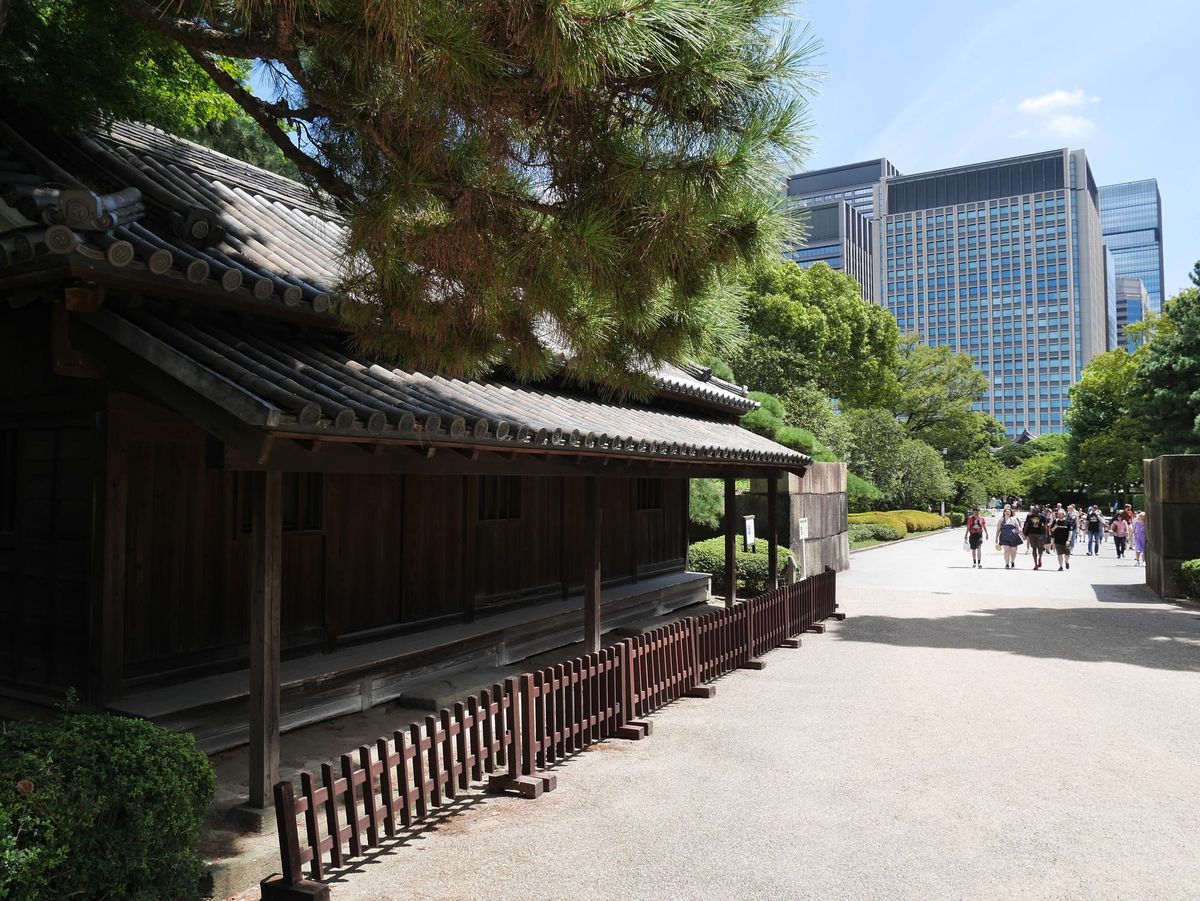
· The three remaining guardhouses of Edo Castle
· The Fujimi-tamon defense house (you can actually go inside)
· The Fujimi-yagura, a defense tower dating back to 1659
· Various flowers and trees from all over the country and the world
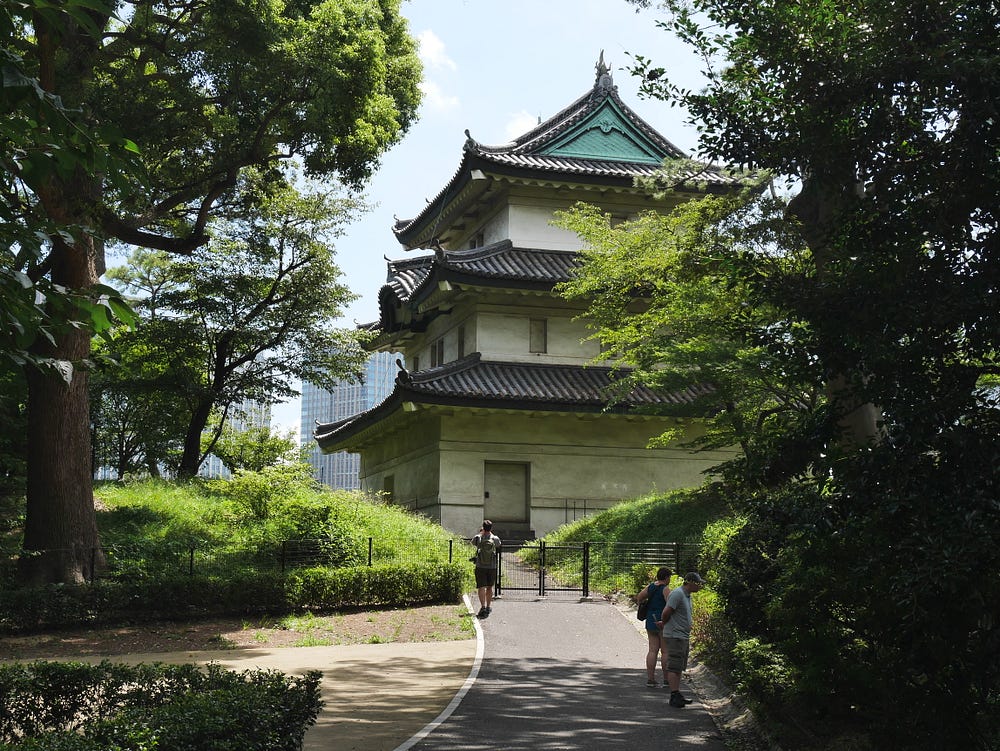
When it comes to exploring the gardens, you can use the app to ensure that you don’t miss a single feature. Highlights include an audio guide and an interactive map that will notify you when you are near a point of interest.
That being said, I found the on-site signage to be more than adequate in explaining everything I came across. It just felt wrong to bury my gaze into a smartphone screen instead of soaking in the stunning and tranquil environment that surrounded me. However, the app was useful for periodically checking to make sure I didn’t miss anything important (which is actually easy to do).
Making the Most of Your Visit
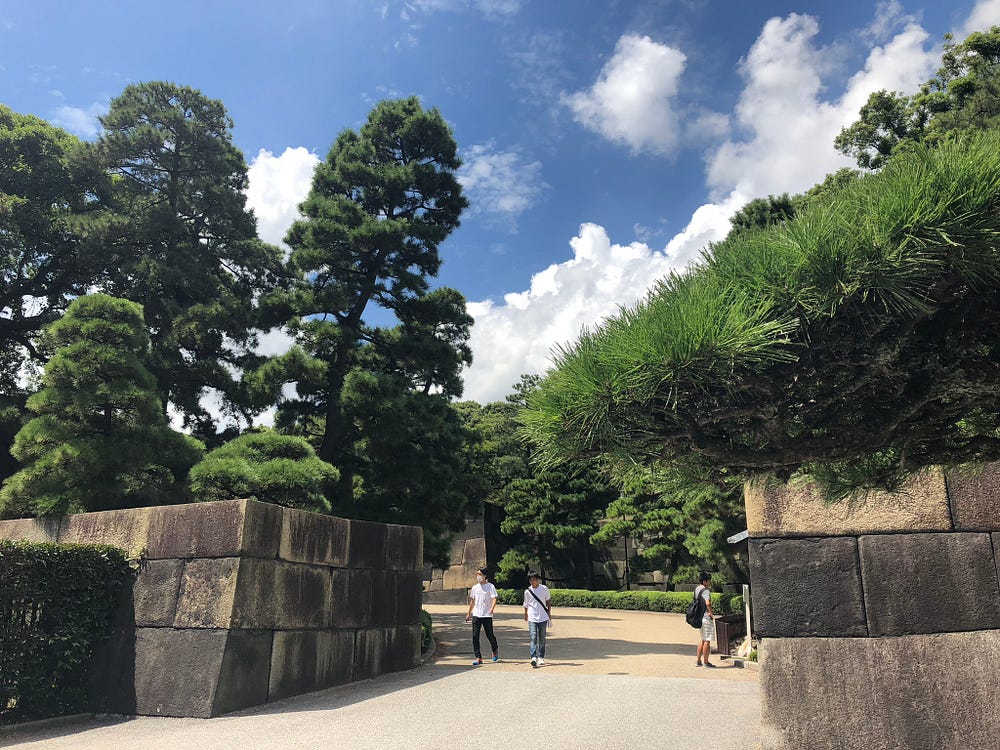
The East Gardens of the Imperial Palace are surprisingly expansive. By the time you reach the center, it’s easy to forget that you are in the middle of one of the world’s largest metropolitan areas. Here are some quick tips to make the most of your time in the gardens:
Get off the beaten path. Now, this doesn’t mean straying into areas that are clearly marked off limits. What I do mean is that you’ll see a lot of narrow paths that lead away from the center of the gardens. Be sure to follow them as some of the most interesting structures and historical spots are not within plain sight.
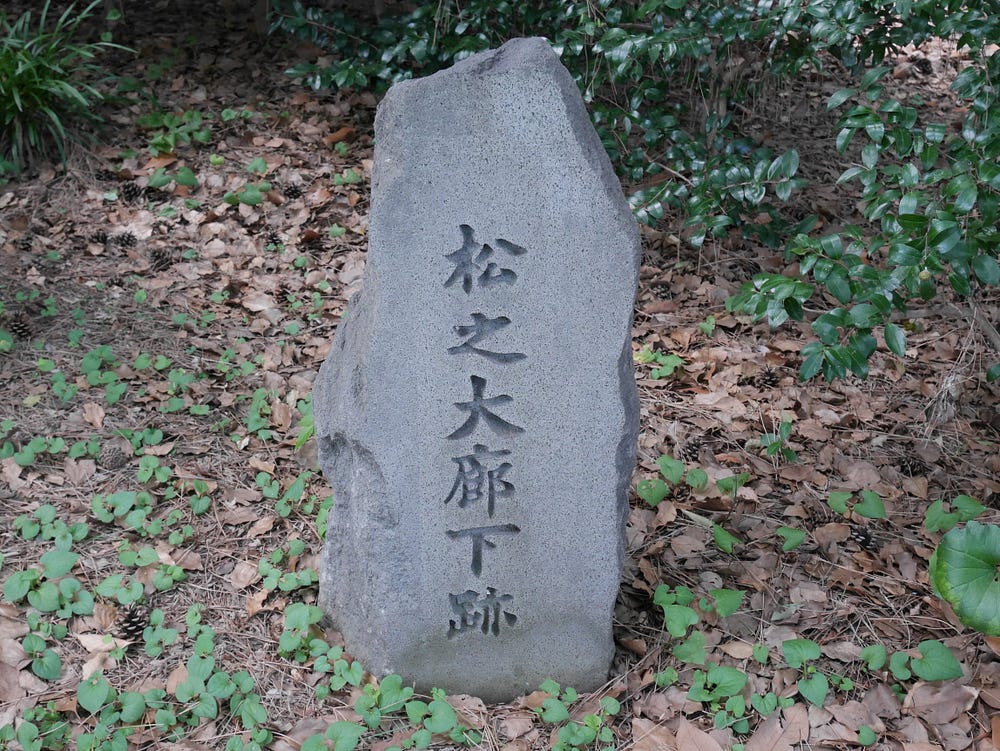
Plan ahead. With dozens of points of interest, exploring the gardens can be overwhelming. Take a look at the app beforehand and note which points are most interesting. You can even enter and exit the gardens via different gates, and you may want to do so if you are on a tight schedule.
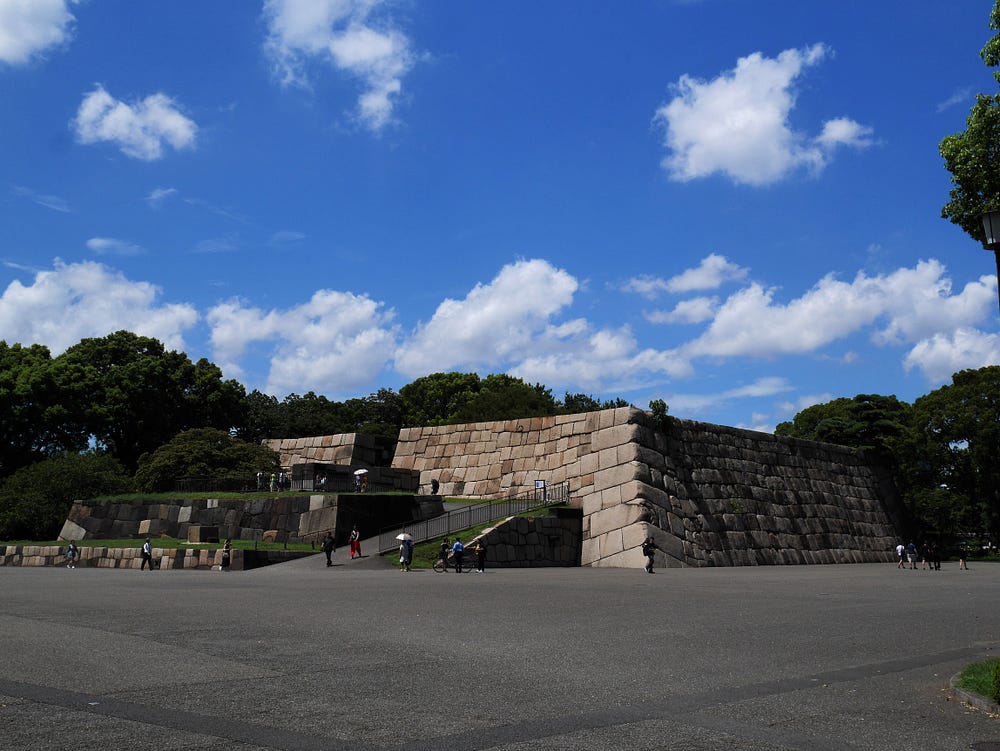
Gain some altitude. Surprisingly, the East Gardens offer some amazing views. Keep an eye out for signs that indicate observation points and be sure to ascend the Tenshu-dai, the stone foundation of what was once Edo Castle’s main tower.
Much More to Explore
This article only scratches the surface of one of the most historically significant places in Japan. Therefore, I encourage you to see the East Gardens for yourself and immerse yourself in its history.
Once you’ve explored the gardens, there’s still plenty more to see and do. With a reservation, you can continue your journey with a free guided tour of the palace grounds. If you happen to be in town for the New Year’s holidays, you may even be able to catch a glimpse of the Imperial Family. Or, if you just can’t get enough of the beautiful, traditional Japanese scenery, you can run (or walk) around the Imperial Palace grounds to your heart’s content. Whatever you decide to do, no trip to Japan is complete without a visit to this amazing historical site.
¹The Imperial Household Agency. “The East Gardens of the Imperial Palace.” Accessed June 17, 2026. https://www.kunaicho.go.jp/en/learn/institution/shisetsu/higashigyoen01.html.
A version of this article was originally published on behalf of combrains.